In-Depth Understanding of CT Scan for Lung Cancer: A Vital Tool in Modern Medical Imaging

When it comes to diagnosing lung cancer, early detection is crucial for improving patient outcomes and increasing survival rates. Among the various diagnostic tools available, the CT scan for lung cancer stands out as one of the most effective and precise imaging modalities. This article provides a comprehensive overview of CT scans in the context of lung cancer, emphasizing their importance, procedure, benefits, and how expert facilities like hellophysio.sg leverage this technology to deliver top-tier healthcare services.
Understanding Lung Cancer and the Role of Imaging
Lung cancer remains one of the leading causes of cancer-related deaths worldwide. Its symptoms often appear in advanced stages, making early detection challenging but essential. Accurate diagnosis hinges significantly on advanced imaging techniques, with CT scans for lung cancer playing a pivotal role.
What is Lung Cancer?
- Lung cancer is a malignant tumor that originates in the lungs, typically caused by genetic mutations and environmental factors like smoking and exposure to carcinogens.
- It is classified mainly into non-small cell lung cancer (NSCLC) and small cell lung cancer (SCLC), each requiring diverse diagnostic and therapeutic approaches.
The Importance of Imaging in Lung Cancer Diagnosis
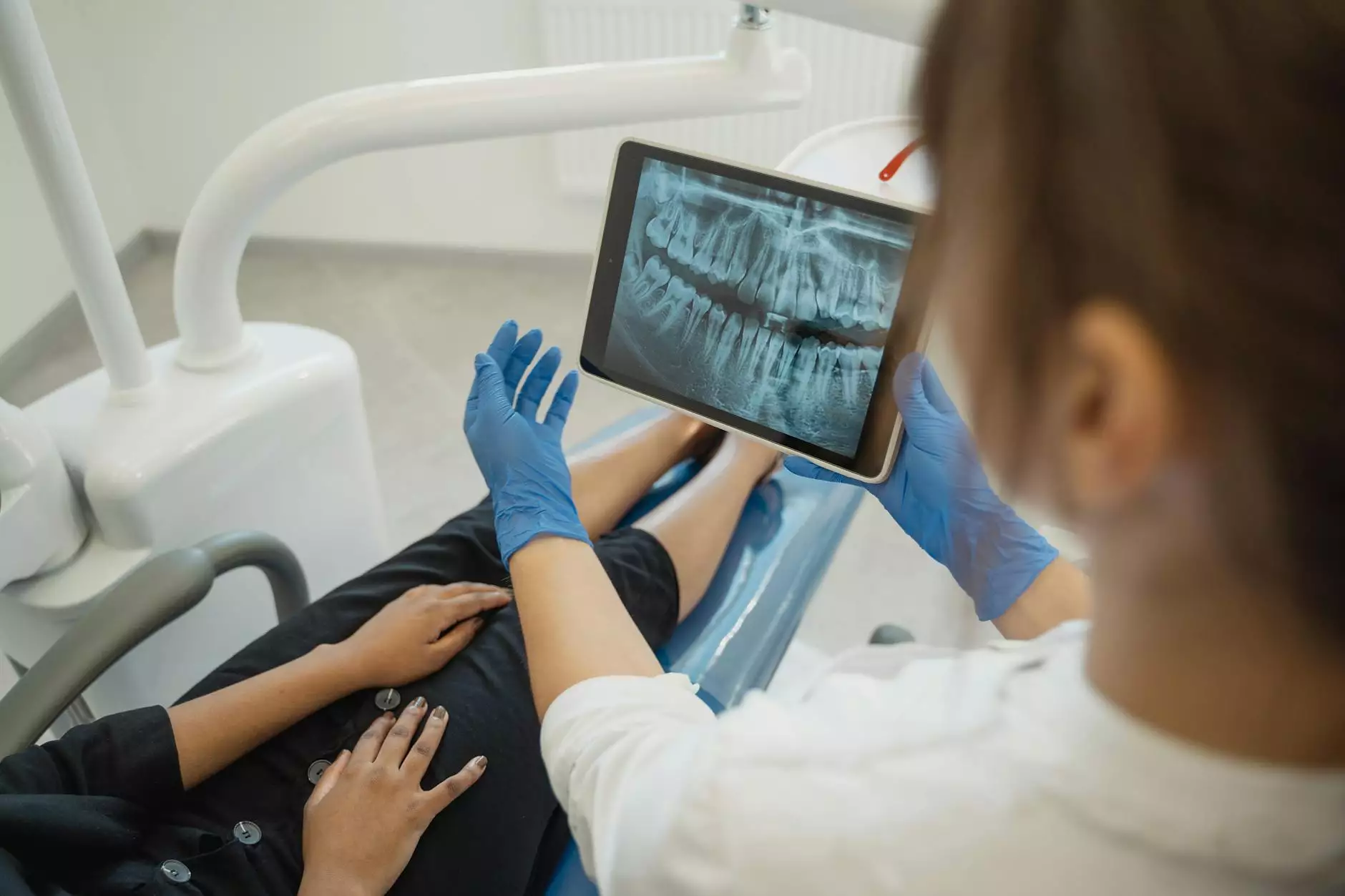
Imaging helps in detecting lung abnormalities, assessing tumor size, location, and spread, which are critical for staging and treatment planning. Among these imaging techniques, CT scans provide detailed cross-sectional images that surpass conventional X-rays in accuracy.
The Significance of CT Scan for Lung Cancer
A CT scan for lung cancer offers unparalleled visualization of the thoracic cavity, allowing clinicians to detect tumors that might not be visible on standard X-rays. It is an essential modality for:
- Early detection: Identifying small nodules before symptoms develop
- Precise staging: Determining the extent of disease spread
- Biopsy guidance: Assisting in minimally invasive tissue sampling
- Monitoring: Tracking tumor response to treatment or recurrence
How is a CT Scan for Lung Cancer Performed?
The procedure of CT scan for lung cancer is straightforward, safe, and typically performed on an outpatient basis. Here is what patients can expect:
Preparation
- Patients may need to fast for a few hours before the scan, especially if a contrast agent is used.
- Inform the technician about allergies, kidney function, or pregnancy status.
The Scanning Process
During the scan:
- The patient lies on a motorized table that slides into a large, doughnut-shaped machine.
- Contrast dye, administered intravenously in many cases, enhances image clarity by outlining blood vessels and tumors.
- The scan typically lasts between 10 to 30 minutes, during which the patient must remain still.
Post-Procedure
If contrast is used, patients are advised to hydrate to flush out the dye. No significant recovery time is required, and patients can resume normal activities immediately.
Advantages of Using CT Scan for Lung Cancer Diagnosis
The benefits of employing CT scan for lung cancer are extensive, making it indispensable in modern oncology diagnostics:
High Sensitivity and Specificity
CT scans detect small nodules and early-stage tumors that are often missed by traditional X-ray imaging, greatly enhancing early diagnosis success rates.
Accurate Tumor Localization and Staging
Precise cross-sectional images allow clinicians to understand tumor size, invasion into surrounding tissues, and metastasis, which are pivotal for proper treatment planning.
Guidance for Biopsies and Treatment
Real-time imaging aids in minimally invasive procedures like needle biopsies, ensuring tissue samples are accurately obtained from suspicious areas.
Monitoring Disease Progression and Therapeutic Response
Serial CT scans provide a detailed view of changes over time, helping healthcare providers assess the effectiveness of treatments such as chemotherapy, radiation therapy, or targeted therapies.
Risks and Limitations of CT Scans in Lung Cancer Diagnosis
While CT scans are invaluable, they come with considerations:
- Radiation exposure: Although generally safe, repeated scans may increase cumulative radiation doses.
- False positives: Benign nodules can sometimes be mistaken for malignancies, leading to unnecessary procedures.
- Contrast reactions: Rare allergic reactions to contrast dye may occur, requiring caution and pre-screening.
Choosing the Right Facility for Your CT Scan for Lung Cancer
When seeking a reliable health provider, consider facilities like hellophysio.sg in Singapore, specializing in advanced medical imaging within the domains of Health & Medical, Sports Medicine, and Physical Therapy. High-quality imaging services are critical for accurate diagnosis and effective treatment planning.
Key qualities to look for:
- State-of-the-art CT technology and equipment
- Experienced radiologists and medical team
- Comprehensive patient care, including pre and post-scan consultation
- Affiliation with reputable hospitals and clinics with proper accreditation
The Future of Imaging and Lung Cancer Detection
Advances in medical imaging technology continue to improve the precision and safety of diagnosing lung cancer. Techniques such as low-dose CT screening programs have become instrumental in early detection among high-risk populations, including long-term smokers.
Emerging innovations like artificial intelligence (AI) algorithms are enhancing image analysis, making detection more accurate and reducing human error. Furthermore, integration with molecular diagnostics and personalized medicine is paving the way for tailored treatment strategies based on specific tumor profiles identified through detailed imaging.
Conclusion: Why CT Scan for Lung Cancer is a Critical Component in Lung Disease Management
In summary, the CT scan for lung cancer remains an indispensable diagnostic tool, providing vital information that influences treatment choices and patient prognosis. Its high sensitivity, detailed imaging capabilities, and minimal invasiveness make it the first-line imaging technique for suspected lung malignancies.
Partnering with qualified medical imaging providers like hellophysio.sg ensures patients receive accurate, reliable, and prompt diagnoses, contributing significantly to improved health outcomes.
Should you have concerns about lung health or risk factors for lung cancer, consulting with medical professionals to undertake a CT scan for lung cancer can be a crucial step towards early detection and effective treatment.
Additional Resources and Support
- National Cancer Institute (NCI): Lung Cancer Information
- Singapore Cancer Society: Lung Cancer Support Services
- Latest research on low-dose CT screening programs
Protect your health by understanding the importance of advanced imaging and seeking expert care. Early detection of lung cancer through technology like the CT scan for lung cancer can save lives and pave the way for successful treatment outcomes.